Comments Off on How the Funeral Industry Uses Cyanoacrylate Adhesives
A Hidden Industry for Cyanoacrylate Applications
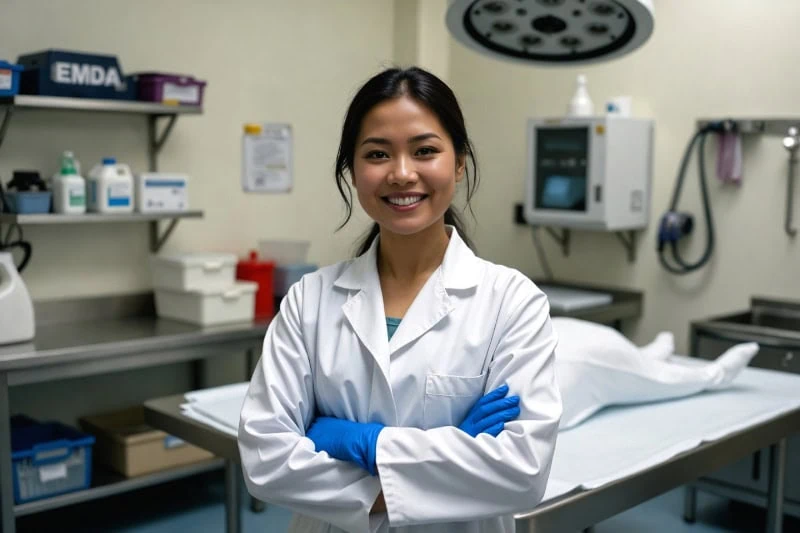
Cyanoacrylate adhesives are commonly associated with clinical and industrial environments, but they also play an important role in mortuary science. Funeral professionals work in conditions where time, precision, and aesthetics matter, and they need materials that support careful, detailed preparation. This makes cyanoacrylate adhesives a practical choice for restoration tasks that require strength, control, and a clean appearance.
In funeral settings, technicians aim to present individuals in a natural state for families who value a meaningful viewing experience. Adhesives that work quickly and produce unobtrusive results help support this process, which is why cyanoacrylates have become a common choice in funeral preparation settings.
The Role of Adhesives in Embalming and Restoration
Mortuary restoration work involves precise handling of tissue, features, and prosthetic materials. Cyanoacrylate adhesives help maintain stability in areas where stitching is not practical or where visible interventions would detract from appearance. Professionals use them for small repairs, feature placement, and other adjustments that support a presentable, peaceful aesthetic.
Aron Alpha Type 201 is the primary cyanoacrylate adhesive used in the funeral industry, offering fast bonding, high strength, and a clear, colorless finish.
Reconstructive Use for Tissue Repairs and Sealing
Cyanoacrylate adhesives help close small incisions, seal punctures, and reinforce areas that may be affected by embalming or post-mortem procedures. Sealing these openings helps prevent fluid leakage and maintain the integrity of the body throughout preparation and viewing. Aron Alpha cyanoacrylate adhesives are high-strength, instant adhesives that dry clear and colorless in less than 45 seconds, making them suitable for these types of detailed applications.
This fast-curing performance helps technicians complete subtle repairs efficiently, which is especially helpful when working within tight timeframes or preparing for scheduled viewings.
Securing the Calvarium After Autopsy Procedures
One of the most critical and specialized applications of cyanoacrylate adhesives in mortuary science is securing the calvarium following a complete autopsy. After examination, the calvarium must be repositioned securely to restore proper head shape and ensure stability throughout preparation, dressing, and viewing.
For this application, funeral professionals commonly rely on Aron Alpha Gel 10. Its gel formulation provides greater control, reduced runoff, and targeted placement, making it ideal for bonding larger surfaces where precision and hold are required. Once cured, the adhesive forms a strong, discreet bond that helps maintain structural integrity without visible disruption.
Stabilizing Prosthetics and Facial Features During Viewing Preparation
Cyanoacrylate adhesives help secure small prosthetic components, wax features, or tissue-building materials used to restore natural contours. Funeral professionals often reinforce lips, eyelids, and other features so they remain in place during cosmetics application and viewing. When an adhesive dries clear and provides a stable hold, it helps maintain a natural appearance under lighting, makeup, and airbrush techniques.
Why Funeral Professionals Choose Cyanoacrylates
Mortuary work requires products that provide reliable results without slowing down preparation. Medical cyanoacrylate adhesives are valued for their consistent performance in the areas that matter most to technicians and families.
Fast Bonding for Time-Sensitive Preparation
Prep room work often occurs under time pressure. Adhesives that bond within seconds help professionals maintain workflow and complete multiple tasks without delays. Fast-curing materials also eliminate the need for clamps or extended drying periods, which makes them more practical than slower-setting adhesives in funeral environments.
Clean Finish for Natural Aesthetics
Adhesive performance directly affects cosmetic results. Thin formulas that dry clear help blend areas smoothly and provide a surface that accepts makeup or wax without visible disruption. A clean finish helps families focus on expression and presentation rather than signs of restoration.
Safe, Controlled Application for Sensitive Work
Funeral technicians work with small, delicate areas that require careful handling. Controlled viscosity and predictable curing help ensure adhesive stays where applied, producing stable results without additional material or corrective work.
How Aron Alpha Serves the Funeral Industry
Aron Alpha provides cyanoacrylate adhesives that support the needs of mortuary science professionals working on detailed restoration and preparation tasks. The products cure quickly, create strong bonds, and dry clear, which helps achieve subtle, natural results without visible residue.
They are suitable for sealing lips, eyelids, and incisions after embalming, offering reliable performance in areas where discreet, stable closure is essential.
These characteristics make Aron Alpha adhesives useful in a range of restorative procedures that require both precision and aesthetic consideration, helping professionals complete their work efficiently while preserving the visual quality of the final presentation.
Adhesive Solutions for the Funeral Profession
Cyanoacrylate adhesives support detailed restoration work by providing quick, discreet bonding in areas where appearance and stability matter. Aron Alpha products offer the performance needed for this work, helping funeral professionals complete preparation tasks with confidence and care.
For more information about our cyanoacrylate adhesive solutions for the funeral industry, contact us or request a quote today.
Comments Off on How the Dental Industry Relies on Cyanoacrylate Adhesives
Precision and Performance in Dental Bonding
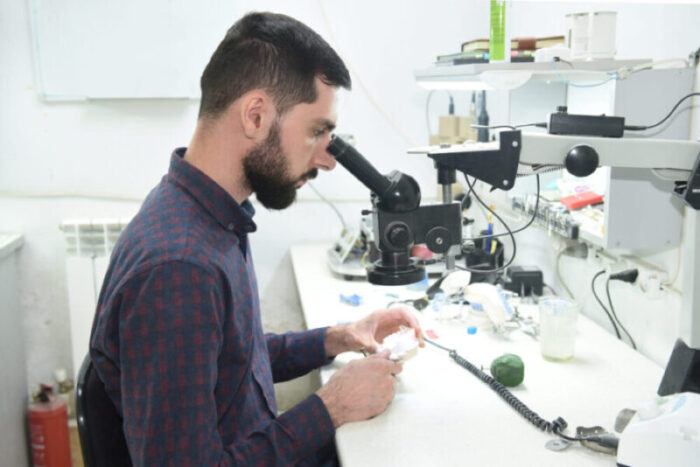
Dental laboratory work requires precise placement and reliable bonds. Whether assembling prosthetics, fabricating models, or completing repairs, adhesive performance directly affects both accuracy and efficiency. This is why cyanoacrylate formulations have become widely used in laboratory environments. Fast-curing and strong-bonding properties make dental lab super glue an essential material that supports daily production without slowing workflow.
Cyanoacrylates are a dependable choice in labs that need adhesives to perform consistently on a variety of substrates, including acrylics, resins, gypsum, ceramics, and metals. Their ability to cure rapidly with minimal pressure makes cyanoacrylate adhesives a valuable tool for detailed work, urgent repairs, and component assembly.
Common Dental Lab Applications
Cyanoacrylate adhesives are widely used throughout dental laboratories due to their versatility, ease of use, and dependable bond strength. Common applications include:
Assembling Dental Prosthetics
Cyanoacrylate adhesives are frequently used to assemble dental prosthetics such as dentures, temporary crowns, bridges, and artificial teeth. These components may be fabricated from acrylic, resin, ceramic, or metal, and cyanoacrylates provide strong, rapid bonds that help maintain proper alignment during fabrication and finishing. Fast curing allows technicians to move efficiently through multiple assembly steps without extended wait times.
Repairs of Dentures and Restorations
Dental labs rely on cyanoacrylates for quick and effective repair of minor fractures, chips, or other minor damage in existing dentures and restorations. The adhesive’s fast handling strength allows damaged components to be stabilized and returned to service quickly, reducing remakes and minimizing production delays.
Model and Die Work
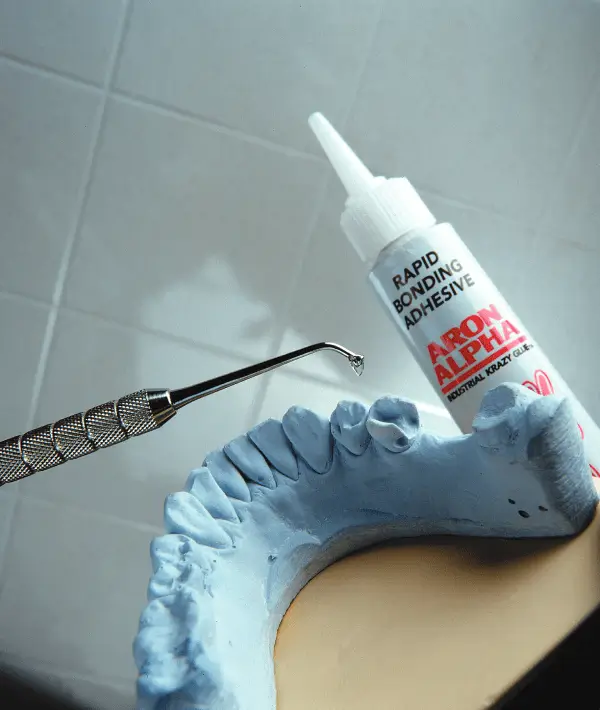
Cyanoacrylate adhesives play an important role in ensuring precision during dental model and die fabrication. They are used to stabilize pins, fill small gaps or cracks in gypsum models, and reinforce fragile areas. Controlled-flow and gel formulations help technicians apply adhesive accurately without affecting fine details, supporting consistent results during model preparation.
Mounting Specimens for Research and Education
In dental research and educational settings, cyanoacrylate adhesives have been used as a mounting medium for ground sections of teeth and bone. Their clarity, fast cure, and strong adhesion make them suitable for securing specimens for microscopic analysis and instructional demonstrations.
Graft Fixation (Clinical Use from a Lab Perspective)
In clinical dental procedures, cyanoacrylate adhesives may be used by clinicians to help stabilize membranes or bone graft materials at the surgical site. This temporary stabilization can support proper placement during healing and, in some cases, reduce reliance on sutures.
Key Advantages of Cyanoacrylates in Dentistry
High Bond Strength with Fast Cure Speed
Production efficiency is critical in dental laboratories. Cyanoacrylate adhesives reach handling strength in seconds, often accelerated with a spray, allowing technicians to move directly from assembly to finishing steps. This rapid curing reduces downtime and supports high-throughput environments where speed and consistency are essential.
Low Odor and Controlled Flow for Detail Work
Some cyanoacrylate formulations offer low odor and low chlorosis, which is beneficial in applications where aesthetics or user comfort matter. Gel formulations are particularly useful for bonding in tight spaces because they support accurate placement, reduce waste, and prevent adhesive overflow.
Versatility Across Dental Materials
Dental environments involve a broad range of substrates. Cyanoacrylates bond effectively to metals, plastics, ceramics, and composite materials, which reduces the need to maintain multiple adhesive systems. Our products range from light viscosity for coating and sealing to heavy viscosity for filling voids, stabilizing parts, and building up material.
How Aron Alpha Supports the Dental Industry
Aron Alpha offers a complete dental laboratory adhesive system designed for the needs of model building, prosthetic fabrication, and other dental applications. Our product line includes cyanoacrylate adhesives in multiple viscosities, setting times, and applicator configurations to support a wide variety of tasks. Customers can choose light viscosity for coating or assembling parts, medium viscosity for mending models, or heavy viscosity for filling undercuts and stabilizing abutments.
In addition to adhesives, Aron Alpha provides primers, accelerators, debonders, and application accessories that support fast curing, improved bonding to difficult plastics, and clean removal when necessary.
These options help laboratories match material performance with specific tasks, which supports accurate placement, reliable strength, and efficient processing. For labs interested in improving performance or evaluating materials for specialized processes, Aron Alpha adhesive dental products offer a range of choices that align with daily production requirements.
Adhesive Precision for Dental Professionals
Cyanoacrylate adhesives help dental labs manage everyday bonding tasks with speed, accuracy, and dependable strength across a range of materials. Their fast cure times and controlled application make it easier to complete repairs, secure components, and maintain workflow efficiency.
Aron Alpha provides adhesive options developed for the needs of dental laboratories, including multiple viscosities and tools that support precise placement and clean results. With products designed to perform reliably in demanding environments, Aron Alpha gives labs a practical way to maintain consistency and meet daily production goals.
Comments Off on Cyanoacrylates in Fingerprint Analysis
Cyanoacrylate, more commonly known as super glue, plays an important role beyond its use as an adhesive. In forensic science, it is the foundation of a process called fuming that makes hidden fingerprints visible on non-porous surfaces such as glass, plastics, and metals. This technique has become a standard tool in criminal investigations, cold case work, and even post-blast analysis, where investigators need reliable ways to recover evidence that may otherwise remain unseen.
What Is Latent Fingerprint Fuming?
Latent fingerprints are impressions left by sweat and natural oils that are invisible to the human eye. Detecting these hidden prints requires specialized methods, one of the most effective being cyanoacrylate fuming. The process has often been described as using a “negative for a positive,” since it takes an invisible residue and transforms it into a visible, stable pattern.
When cyanoacrylate vapor is released in a controlled environment, it adheres to the residues in the fingerprint and forms a white polymer along the ridges. This makes the print clear enough to photograph and preserve for further analysis, providing investigators with a durable piece of evidence.
What Does Cyanoacrylate React With in Fingerprints?
Cyanoacrylate fuming works because the adhesive vapors interact with specific compounds that make up fingerprint residues. These naturally occurring substances provide the catalysts needed for the reaction that turns an invisible print into a visible one.
The Chemical Composition of Latent Prints
Latent fingerprints contain small amounts of moisture along with trace chemicals secreted by the eccrine glands. These include amino acids, fatty acids, lactic acid, uric acid, creatinine, wax esters, and other organic residues mixed with water and minerals.
The Polymerization Process on a Microscopic Level
When cyanoacrylate vapor comes into contact with these trace residues, the compounds act as catalysts. The cyanoacrylate monomers polymerize and form a stable white polymer called polycyanoacrylate. This polymer develops along the fingerprint ridges, outlining the unique patterns that investigators need for identification.
How Does Cyanoacrylate Fuming Work?
The Step-by-Step Fuming Procedure
To understand how cyanoacrylate fuming works, it helps to break the process into clear steps:
Prepare the evidence. Investigators place the item into a sealed fuming chamber to protect it from contamination.
Introduce the adhesive. A small amount of cyanoacrylate is added as the source material for the vapor.
Generate vapor. The cyanoacrylate is gently heated, producing a controlled amount of vapor inside the chamber.
Regulate humidity. Humidity levels, typically maintained around 80%, are adjusted to support the chemical reaction.
Develop the print. The vapor reacts with the fingerprint residues, forming a stable white polymer along the ridges.
Document the evidence. The visible print is photographed and preserved for further forensic analysis.
Equipment and Environmental Controls
Successful fuming requires both the right tools and controlled conditions. Fuming chambers keep the process contained, heating elements generate the necessary vapor, and humidity regulation ensures the reaction is consistent. Portable fuming chambers are often used at crime scenes, allowing investigators to process evidence quickly and accurately in the field.
Why Cyanoacrylate Is the Gold Standard for Non-Porous Surfaces
Cyanoacrylate fuming is considered the gold standard for developing fingerprints on non-porous surfaces because it offers both durability and versatility.
Durability and Preservation of Evidence
One of the main reasons cyanoacrylate is so widely used is the durability of the resulting print. Once polymerized, the fingerprint remains stable and resistant to smudging. It can undergo further treatments such as dye staining or powder dusting without losing detail, making it easier to preserve evidence for extended analysis.
Versatility in Criminal Investigations
Cyanoacrylate fuming works especially well on non-porous surfaces that often appear in investigations. Items such as plastic bags, firearms, glass, and automotive dashboards are all compatible with this method. This versatility has made it a trusted standard not only in active crime scene investigations but also in cold case reviews and post-blast forensic work where evidence may be years old.
High-Quality Cyanoacrylate Products From Aron Alpha
At Aron Alpha, we provide cyanoacrylate adhesives that support a wide range of applications, including forensic fingerprint analysis. Our products include adhesives, accelerators, primers, and applicators designed for reliable performance across multiple substrates.
Comments Off on Super Glue Applications in Automotive Part Assembly: A Technical Guide
While you may not recognize the term cyanoacrylate adhesive, you’ve probably used it before in the form of super glue for household repairs. Also called instant glue, power glue, or by brand names like Krazy Glue, cyanoacrylate adhesives are valued for their quick curing properties, thermal shock resistance, impact resistance, flexibility, wide viscosity range, and ability to bond a wide range of automotive component substrates.
This guide explores how these adhesives are used in the automotive industry, how they work, their benefits, and recent advancements in automotive adhesive technology.
How Cyanoacrylates (AKA Instant Adhesives) Work
Cyanoacrylates need moisture to create a bond, and typically, the humidity in the air and on the substrate surface provides all the moisture they need to work effectively. The molecules in cyanoacrylate adhesives react instantly with atmospheric moisture to form long polymeric chains between the material surfaces. In the context of adhesives used in the automotive industry, this quick reaction makes them an ideal choice for fast, reliable assembly work. For best bonding performance, press the substrates together until the glued assembly can be carefully handled, which is typically very fast, ranging from 5 to 90 seconds. This is known as fixture time. The bond will strengthen after about 10 minutes and fully cure within 24 hours.
It doesn’t take much cyanoacrylate adhesive to create a strong joint. One drop can cover about one square inch. While porous surfaces may require slightly more, adding excess adhesive generally won’t increase strength. Instead, it may waste product and cause overflow (also known as squeeze-out) between the substrates, creating the need for additional cleanup or finishing.
When a strong bond must form instantly, an accelerator (aka setter) can be used. Apply the adhesive to one surface and the accelerator to the other; when pressed together, the materials will bond immediately. This is especially useful when time is critical or when the joint could be disturbed before the adhesive fully cures.
Another option is to spray an accelerator over the bond line after applying the adhesive and mating the two substrates together. This method works well in dry environments or when bonding oily or acidic substrates. For certain engineering plastics with low surface energy, such as polypropylene, a cyanoacrylate primer can also be applied to improve bonding conditions and ensure lasting adhesion.
Advancements in Cyanoacrylate Adhesives for the Automotive Industry
Modern cyanoacrylate adhesives have evolved to meet the changing needs of vehicle manufacturing:
High-temperature resistance: New formulations can maintain bond integrity under extreme heat, making them more reliable in under-hood and high-performance automotive applications.
Improved bonding for lightweight materials: Enhanced formulas allow for stronger adhesion to aluminum, composites, and engineered plastics commonly used in today’s lighter, more fuel-efficient vehicles.
Long-term moisture exposure grades: Specialty cyanoacrylate formulations have greater moisture resistance, providing durable bonds in humid or wet conditions.
Improved bonding for flexible substrates: Flexible instant cyanoacrylate adhesives are designed for use on flexible materials such as rubber, film, and leather products. These adhesives provide good moisture and heat resistance, making them suitable for challenging environments while maintaining bond flexibility.
These developments give automotive manufacturers and repair professionals greater flexibility in design and assembly without compromising durability.
Key Advantages of Cyanoacrylates for Automotive Applications
Cyanoacrylates are widely used in the automotive industry because of their exceptional bond strength and reliability. As one of the most versatile adhesives used in automotive industry applications, they can withstand extreme conditions, performing in temperatures from -40° to 250° F. Cyanoacrylates are ideal in situations where other glues or fasteners aren’t practical, such as:
Joining dissimilar materials
When clamping the materials isn’t possible or ideal
Performing maintenance or repairs
Bonding rubber or engineering plastics
When appearance matters
When speed matters
When the adhesive must resist chemicals, water, and heat
Although cyanoacrylate adhesives create a permanent bond, it is possible to break it intentionally using very high heat (above 350° F) and a debonding solvent like acetone.
Comparing Cyanoacrylate Adhesives to Other Automotive Bonding Methods
In automotive manufacturing and repair, there are a variety of bonding options, each with its own strengths and limitations. Cyanoacrylate adhesives stand out for their speed, ease of use, and ability to create strong bonds without heat or complex clamping systems.
Versus epoxy adhesives: Epoxies are valued for their durability and gap-filling ability, but they generally require longer curing times, sometimes several hours. Epoxies also require more preparation and precise meter mixing. Cyanoacrylates cure in minutes or even seconds, making them ideal for fast assembly, on-the-line repairs, or situations where downtime must be minimized.
Versus polyurethane adhesives: Polyurethanes provide flexibility and good adhesion to a wide range of substrates, but they can be more challenging to apply and may require moisture or elevated temperatures to cure effectively. Cyanoacrylates offer a faster, simpler application process while still achieving high bond strength on metals, plastics, and composites.
Versus mechanical fasteners: Bolts, screws, and rivets provide immediate mechanical strength, but they add weight, require drilled holes, and can concentrate stress at specific points. Cyanoacrylate bonds distribute loads evenly, reduce the need for visible hardware, and help maintain clean design lines.
Versus hot melt adhesives: Hot melt adhesives are solid at room temperature and activated when heated beyond their softening point (above 250° F). Although they provide a good bond for flexible materials, hot melt adhesives are not suitable for structural bonding and can take hours to reach full bond strength. Cyanoacrylates are suitable for rigid substrates and can reach full bond strength in seconds.
In many cases, cyanoacrylate adhesives are used in combination with other bonding methods such as mechanical fasteners to provide both structural reinforcement and long-term durability. The best choice depends on the materials involved, the desired bond characteristics, and the demands of the application.
Typical Applications of CA Glues in the Automotive Industry
In the automotive industry, weight reduction is an ongoing goal, but it must be achieved without compromising safety or performance. While cyanoacrylate adhesives can’t replace welding or mechanical fasteners in load-bearing or structural components, they can play a role in certain lightweighting strategies.
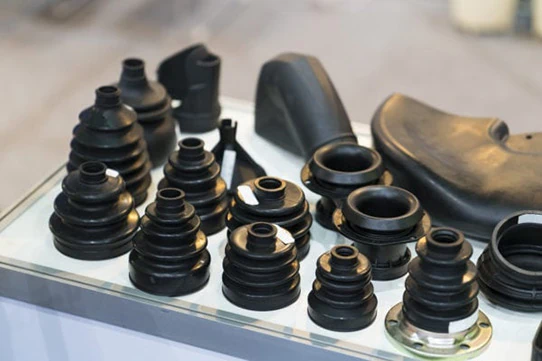
One example is in reducing noise, vibration, and harshness (NVH). Cyanoacrylates can be used to bond rubber to metal or to attach a nylon mesh sleeve over a rubber hose. This helps prevent abrasion that can occur when a bare rubber hose rubs against a metal surface, contributing to longer component life and improved performance without adding unnecessary weight.
Beyond NVH-related uses, cyanoacrylate adhesives are applied in a variety of non-structural areas both inside and outside the vehicle.
Exterior Applications
Door weather stripping: Cyanoacrylates securely bond rubber weather stripping to door frames, providing a tight seal against the elements.
Sunroof and deck lid seals: These adhesives are suitable for bonding rubber seals around sunroofs and deck lids, creating a waterproof barrier.
Side guard moldings: They can attach side guard moldings to the car body, enhancing the vehicle’s appearance and providing some protection.
Windshield wiper blades: Cyanoacrylates can be used to repair or reinforce the connection between the wiper blade and its arm.
Tail lamp rubber seals: They effectively bond rubber seals around tail lamps, preventing water and dust ingress.
Bright trim window molding end caps: These adhesives can secure end caps on window moldings, maintaining a finished look.
Grill/spoiler fascia trims: Cyanoacrylates can bond decorative trims and fascias to the grill or spoiler.
Interior Applications
Interior trim and upholstery: They can be used to reattach loose trim pieces or repair upholstery, providing a strong and lasting bond.
Rubber grommets for dash/firewall thru holes: Cyanoacrylates can secure rubber grommets in place, protecting wires and cables.
Headliner components: They can bond headliner components to the car’s roof.
Hand brake covers: Cyanoacrylates can be used to repair or attach hand brake covers.
Gear shift selector covers: They can be used for bonding gear shift selector covers.
Plastic clip assemblies: These adhesives can be used to repair or replace broken plastic clips that hold interior panels and trim in place.
Wire harness assemblies: Cyanoacrylates can secure wire harnesses to the car’s body, preventing rattling and damage.
Under-the-Hood/Engine Applications
Anti-vibration motor mounts: Cyanoacrylates can be used to reinforce or repair motor mounts, reducing vibrations.
Gaskets: They can be used to bond gaskets in place, ensuring a proper seal for fluids and gases.
Air/fuel/transmission hose and clamp assemblies: Cyanoacrylates can be used to secure hoses and clamps, preventing leaks and ensuring proper fluid flow.
Electronic and sensor components: These adhesives can be used to bond and secure various electronic components and sensors under the hood.
Other Applications
Wire harnesses: Cyanoacrylates are used for securing wire harnesses to various parts of the car, including the dashboard, engine bay, and chassis, to prevent wire chafing and damage.
Automotive sensors: They are used to bond and encapsulate sensors for accurate readings and reliable operation.
Encapsulation and sealing of electronic components: Cyanoacrylates can be used to seal and protect electronic components from moisture and other environmental factors.
Choosing the Right Cyanoacrylate for Automotive Parts
Choosing the right cyanoacrylate adhesive for automotive parts depends on several factors, including the materials being bonded, the required bond strength, environmental conditions, and application specifics.
Cyanoacrylates are effective on a diverse range of automotive materials such as plastics (ABS, acrylic, nylon, polycarbonate, PVC), metals (aluminum, steel, zinc), composites (carbon fiber, fiber-reinforced plastics), and natural materials (leather, wood). Primers are typically used for low surface energy plastics like polypropylene or polyethylene. Accelerators are sometimes used to bond porous materials like fabric, leather, and other absorbent substrates.
Furthermore, choosing the proper cyanoacrylate viscosity for the application depends on the fit between mating parts:
Thin: Flows easily into tight-fitting parts and small cracks for quick, precise bonding.
Medium: Versatile for filling small gaps and handling a range of general repairs.
Thick: Ideal for bigger or uneven gaps and vertical or overhead surfaces where run-off is a concern.
Other considerations when selecting a cyanocrylate for automotive bonding applications include the following:
Bond strength: Depending on the forces and loads the bonded parts will encounter, make sure the chosen cyanoacrylate has sufficient shear and tensile strength.
Environmental resistance: Choose adhesives that can withstand the specific operational conditions of the application. For example, heat-resistant methyl cyanoacrylates are often preferred to bond metal or engine surfaces that experience high temperatures.
Cure time: Some cyanoacrylates have very fast cure times, while others take longer to reach full bond strength. Choose an adhesive that matches the specific application’s assembly speed.
Peel strength: Standard cyanoacylates tend to have relatively low peel strength, so determine the need for peel resistance. Also, consider whether the parts will ever need to be disassembled and find methods for dissolving the adhesive without damaging the parts.
CA Glues at Aron Alpha
Given their strength and versatility, cyanoacrylate adhesives will have their place in the automotive and other industries for years to come. As one of the original producers of cyanoacrylate adhesives, many manufacturers turn to us for their car glue adhesive needs. For more than 60 years, Aron Alpha has been serving a variety of manufacturing sectors throughout Japan, Europe, South America, and North America, including automotive, general assembly, and electronics.
We have adhesives, primers, accelerators, and applicators to suit almost any application. If we can’t find a standard product for your needs, we’re happy to develop custom formulations targeted to the unique needs of your application.
To learn more about automotive cyanoacrylate adhesives or about our products and capabilities, reach out to us today.
Comments Off on What Nearshoring Means for Automotive Adhesive Sourcing
North American automotive manufacturers are rethinking their supply chain strategies, moving away from distant offshore suppliers toward closer and more reliable partners. This shift, known as automotive nearshoring, helps reduce risk, improve delivery times, and keep production on schedule.
For automotive manufacturers that depend on adhesives, nearshoring offers an opportunity to work with suppliers who can provide faster turnaround, stronger communication, and localized technical support.
The Shift Toward Nearshoring in the Automotive Industry
Automotive nearshoring means sourcing products or materials from manufacturers within the same region or continent instead of relying on far-off global suppliers. For example, a U.S.-based OEM might partner with a Canadian manufacturer or source materials from Mexico to keep production closer to home.
Nearshoring is similar to reshoring, which brings production back to the same country, but it keeps some international sourcing within a closer geographic range.
The trend is accelerating due to:
Disruptions in global supply chains in recent years
Rising transportation costs and unpredictable shipping times
A need for greater control over quality and delivery schedules
Industry data shows 84% of automotive manufacturers expect to integrate North American suppliers into their operations in 2025, and 41% plan to reshore production. This movement is reshaping sourcing for a wide range of components, from rubber goods and magnets to cyanocrylate adhesives for automotive manufacturing.
Adhesive Sourcing Challenges That Nearshoring Helps Solve
Automotive manufacturers that depend on adhesives face a range of sourcing problems when relying on distant offshore suppliers. Automotive nearshoring helps overcome many of these issues by bringing sourcing closer to the point of use. Some of the most common challenges it can solve are:
Unpredictable lead times. Long overseas shipping routes can be disrupted by port congestion, container shortages, and global transportation delays. Nearshoring reduces transit distances and makes delivery schedules more reliable.
Limited communication and support. Time zone differences and language barriers can slow communication with offshore suppliers. Regional partners provide faster responses and the ability to offer technical support when needed.
Availability. Inconsistent global supply can leave manufacturers waiting for essential adhesives, risking production delays. Nearshoring supports regional inventory programs that keep high-demand products, such as cyanoacrylates and related products, in stock and ready to ship, so production schedules stay on track.
By addressing these common pain points, nearshoring creates a more dependable automotive supply chain for adhesives and related materials.
How Aron Alpha Supports Automotive OEMs Across North America
Aron Alpha helps automotive OEMs get the most from automotive nearshoring by combining localized technical expertise, U.S.-based packaging, and dependable regional inventory.
Localized Technical Support
One of the advantages of automotive nearshoring is faster access to knowledgeable technical resources. Aron Alpha’s North America–based team works directly with automotive design, production, and process engineers to answer product questions, provide usage recommendations, and help match adhesives to specific manufacturing needs.
Recommendations on selecting the right cyanoacrylate for automotive manufacturing based on performance requirements
Guidance on proper surface preparation and curing considerations for different materials
Laboratory services and testing
By offering this expertise within the same region as our customers, we reduce response times, improve communication, and make it easier for automotive manufacturers to get the information they need to keep production moving.
U.S. Packaging and Local Inventory for Fast Turnaround
We package adhesives in the U.S. and maintain a local inventory to support rapid order fulfillment. This helps shorten lead times, improve responsiveness, and keep your automotive supply chain running smoothly without compromising product quality.
What to Look for in a Local Adhesive Partner
Nearshoring works best when your adhesive supplier can provide timely access to products and expertise within your market. The ideal partner offers more than dependable products; they make it easier to get the right adhesive, in the right quantity, exactly when it is needed.
A strong adhesive partner will:
Keep products stocked locally for faster turnaround
Respond quickly to orders, questions, and technical requests
Understand automotive manufacturing requirements and recommend products that meet them
Coordinate deliveries with your production schedule to avoid costly delays
By working with a supplier that combines product quality with local availability and technical expertise, manufacturers can strengthen their automotive supply chain and fully realize the benefits of North American sourcing.
Adhesive Partners That Align With North American Manufacturing Needs
As the automotive industry shifts toward nearshoring, working with an adhesive supplier that offers both proximity and technical expertise is essential.
Aron Alpha provides a full line of cyanoacrylate adhesives, accelerators, primers, and applicators, backed by localized support and U.S.-based packaging. This combination gives you the flexibility, quality, and speed you need in today’s evolving market.
Comments Off on Why Super Glue is Better Than Finishing Nails
Finish nails, or finishing nails, are a type of fastener commonly used to construct cabinetry, attach molding, and more. They are strong enough to hold thicker materials, and their small diameter reduces the risk of split wood. Additionally, finishing nails have small heads, meaning they can be nailed in flush or countersunk to conceal them beneath the material’s surface.
While finishing nails offer certain advantages, they may not always be the best option. Depending on the application, super glue can work just as effectively as finishing nails while providing some additional benefits. Here, we’ll go over some of the reasons why super glue can be better than finishing nails, as well as when to use each.
Benefits of Super Glue Over Finishing Nails
Cyanoacrylate adhesives, or super glue, offer numerous benefits over finishing nails. It bonds almost instantly to numerous materials and leaves no visible marks or holes. Super glue is also more precise, allowing for fast repairs or intricate work without the risk of damaging or splitting the material. Other key advantages of super glue include:
Faster Application
One of the most important benefits of cyanoacrylate adhesives is their exceptionally quick cure time. Super glue rapidly polymerizes when it comes into contact with moisture, producing a high-strength bond within seconds. While a full cure can take up to 24 hours, the adhesive will be strong enough for light operation almost immediately. Super glue’s fast-curing properties help to enhance productivity and reduce waiting times in construction projects.
Versatile
Compared to finishing nails which are mostly used with wood, super glue can form strong bonds with a wide range of materials, including metal, rubber, plastic, fabric, and more. This material versatility makes super glue ideal for a broader range of applications.
Stronger Bonds
The rapid polymerization process forms a high-strength molecular bond with the material’s surface that resists breaking under normal stress. Some cyanoacrylate adhesives can achieve bonding strengths of more than 20 MPa. The strength of a finishing nail, on the other hand, depends on its size and the material it’s being driven into.
When to Choose Nails Over Glue
When choosing between finishing nails and super glue, it’s important to consider the requirements of your application. While super glue is known for its fast curing times and high bond strength, there are certain situations where finishing nails may be the better option.
Super glue is better than finishing nails for the following applications:
Making quick repairs or temporary fixes
Bonding delicate materials such as porcelain, glass, or thin wood
Attaching trims, decorative elements, or other embellishments without nail holes
Bonding components in tight spaces where a hammer or nail gun won’t fit
Finishing nails are better suited for applications requiring load-bearing strength. The chemical bond formed by super glue may not be able to keep materials securely in place when subjected to repeated stress or movement. Additionally, super glue doesn’t work as well with thicker or more porous materials.
Applications where finishing nails are the better choice include:
Attaching door or window frames
Installing crown molding and stair treads
Securing components that have to bear weight
Affixing interior and exterior trim
Depending on the project, you can also combine super glue with finishing nails. Because super glue provides an instant bond, it can prevent pieces from shifting while driving nails into place. Additionally, using super glue first reduces the need for clamps, which can leave marks on materials.
Super Glue from Aron Alpha
Super glue provides excellent bonding strength, rapid cure times, and durability when used alone or in conjunction with finishing nails. Toagosei America Inc. brings you the Aron Alpha® brand of cyanoacrylate instant adhesives and Industrial Krazy Glue. These high-quality products offer a high-performance, fast assembly solution for a range of substrates, including metals, plastics, elastomers, and more.
For more information about our super glue products, contact us today.
Comments Off on How to Get Super Glue Cyanoacrylate Off Your Hands
Super glue (cyanoacrylate) is ideal for crafting, repairing, and assembly applications in manufacturing processes, providing a rapid and strong bond. However, when it sticks to your hands, it can be difficult to remove. The key is not to wait for super glue to dry and try to peel it off, as doing so may damage your skin. We will guide you through how to get super glue off skin and objects, introducing you to home remedies and commercial solutions for safe removal.
Warm Water and Soap
Start with the easiest method: using soap and warm water. This simple DIY solution for super glue skin removal is particularly effective if the glue has not fully dried. It can work in cases where your fingers are stuck together or stuck to another object. Soak the affected area in warm water, and then gently peel or rub the glue from your skin. You can also try scraping residue from the area with a blunt object. However, if this method doesn’t work or is painful, you may need to use another method.
Nail Polish Remover (Acetone)
Nail polish remover, or acetone, can effectively remove super glue from your hands or skin. Pour the acetone into a basin and soak your hand or skin for several minutes. Minimize the time your skin is in contact with the nail polish remover, as prolonged contact can cause irritation. Remove your hands from the bowl frequently to check if the glue has dislodged. Repeat the process until the glue loosens. Afterward, wash your hands with soap and water and apply a moisturizer.
Acetone is an effective solution for dissolving glue, but it can cause skin irritation and be painful if the skin is broken, irritated, or cut. Acetone may also damage or discolor materials, so using acetone to remove an object stuck to your skin with super glue may not be ideal in some cases. As a liquid, nail polish remover is a less targeted solution that can run away and evaporate more quickly compared to gelled solvents.
Lemon Juice
To remove super glue from your hands, you can also soak them in lemon juice, giving the acid in the juice time to break down the bond. Pour lemon juice into a bowl and soak the affected area for up to 10 minutes. After, use a dry towel to gently rub or push off the glue residue. Other natural solutions, such as olive oil, coconut oil, or butter may also help remove super glue from your skin.
Krazy Fix Super Glue Remover
If the previous methods are ineffective, use our commercial glue removal solution: Krazy Fix Super Glue Remover. This gelled solvent super glue remover is specifically designed to remove strong adhesive bonds like cyanoacrylate from hands, skin, and objects. It offers the following benefits:
Effective Super Glue Remover: Krazy Fix is formulated to effectively remove hardened glue from skin, ceramics, plastics, wood, and other surfaces. It dissolves the toughest glue bonds with ease.
Powerful Gel Formula: Krazy Fix’s gel formulation eliminates the mess of methods like oils, lemon juice, and nail polish remover. It offers better control and ease of use to deliver a satisfying user experience.
Convenient Plastic Spatula Included: Krazy Fix products include a plastic spatula to assist in mixing the gel and scraping hardened adhesive from surfaces.
Versatile Solution: By easily removing unwanted glue residue, Krazy Fix offers versatility in building, repairing, and creating with cyanoacrylate glue products.
High-Quality Materials: Our Krazy Glue and Krazy Fix products are formulated with high-quality materials. We offer heavy-duty wall-hanging tape, waterproof glue formulations for outdoor applications, and products that effectively remove these adhesives.
Things to Avoid When Removing Super Glue (Cyanoacrylate) From Your Hands
It is natural to want to remove super glue as soon as possible, but it can take up to an hour to remove the glue safely. Avoid any forceful methods that can cause pain or damage to the skin. Don’t scrub the affected area with harsh abrasives or pumice stones. If you do break the skin, follow these best practices:
Don’t apply chemicals to the injury.
Wash the injury with soap and water.
Apply petroleum jelly to the wound.
Apply a bandage to any skin injuries and give them time to heal.
See a doctor if you notice pain, redness, or swelling in the injured area.
Krazy Fix Super Glue Remover From Toagosei America
Removing super glue from your hands or other objects can be tricky. Depending on the dryness of the glue and the affected area, there are several remedies, from soap and warm water to acetone to commercial solutions. As the manufacturer of the cyanoacrylate instant adhesive Krazy Glue, Toagosei America specially formulated Krazy Fix Super Glue Remover for ease of application and safe removal of super glue from skin and other materials.
At Toagosei America, we serve a global customer base with reliable adhesive solutions for the electronics, automotive, industrial assembly, medical, woodworking, and other industries. Contact us to learn more about how you can benefit from our industrial adhesive solutions.
Comments Off on How to Remove Super Glue From Skin, Plastic, Glass, Fabric, and More
About Super Glue
Super glue is known for quick and effective adhesion with different materials, which can become a problem when it gets on hands or other surfaces. Knowing how to get super glue off of affected areas can save you lots of frustration.
Removing super glue from unwanted places using a little warm, soapy water or an industrial remover can do the trick in a pinch. Certain surfaces and materials, such as delicate fabrics, certain plastics, and skin or hair may require further attention to achieve the desired results.
This blog discusses different methods for removing super glue from various surfaces and how Aron Alpha’s Krazy® Fix Super Glue Remover can help dissolve those tougher glue bonds.
5 Methods for Removing Super Glue From Different Surfaces
Super glue, also known as cyanoacrylate glue or Krazy® Glue, is an instant adhesive that creates strong polymer bonds between materials. While known for its excellent bonding properties, super glue can be problematic when it adheres to unwanted surfaces.
The good news is that there are several proven ways to remove cyanoacrylate glue from skin, plastic, glass, fabric, and other surfaces. Here are some techniques you can use when removing hardened super glue:
Removing Super Glue from Skin and Hair
Super glue bonds quickly upon contact with the skin, owing to the natural moisture that the skin produces. While acetone might work in a pinch, it can also cause dryness or discomfort for some people.
Professional adhesive removers, however, are designed to quickly and easily remove the glue from your skin and fingers. Using a gel offers greater control over the process without the mess.
To remove super glue from hair, lips, and other sensitive areas, you can use peanut butter, margarine, or vegetable oil to remove the glue.
Removing Super Glue from Plastic
Cyanoacrylate glue forms an exceptionally strong bond with plastic materials. Begin by soaking the area with nitromethane or a mixture of ammonia-free detergent and water to soften tough bonds. Use Krazy® Fix Glue Remover to remove the glue, working carefully to avoid damaging the finish.
Removing Super Glue from Glass
Like plastic, super glue adheres quite strongly to glass. For scratch-resistant surfaces, use our Krazy® Fix Super Glue Remover to loosen the glue and scrape it off with our plastic spatula.
Extra care should be taken with scratchable surfaces. Gentler solvents like water, rubbing alcohol, and toothpaste can help remove unwanted glue in these cases.
Removing Super Glue from Fabric
Removing super glue from clothes can be a strenuous task. Just ask our factory associates- we also spill Krazy® Glue onto our uniforms from time to time!
While you could soak more durable fabrics in acetone, we wouldn’t recommend it. Try to avoid applying too much pressure, as well- the wetness of glue can cause it to spread, and scraping hardened glue can tear the fabric.
Krazy® Fix Super Glue Remover is designed to lift and remove glue with minimal damage to fabric surfaces. To lift the hardened residue, simply apply adhesive remover and let it set for a minute or so.
Removing Super Glue from Metal
You can easily remove super glue from metal surfaces using our heavy-duty adhesive remover, a scrapping tool, and a hammer. Add a small amount of the adhesive remover to break the bond and remove the softened adhesive with the scrapping tool.
If you are dealing with larger drops, gently tap on the dry spill using a hammer to loosen it.
Risk Factors to Consider When Removing Super Glue
Here are some factors to keep in mind when getting super glue off your skin and surfaces:
Don’t pull too hard. Be gentle when removing glued areas and avoid applying too much force.
Avoid harsh chemicals. Don’t use any harsh chemicals unless they are specifically made for glue removal. Some chemicals can damage your skin.
Don’t use sharp objects. Never scrape off glue using sharp objects that can lead to injury. Avoid objects such as razors, knives, and scissors.
If you are looking for an effective way to quickly remove super glue from surfaces, consider Aron Alpha’s Krazy® Fix Super Glue Remover. It comes with a black plastic spatula to lift and separate bonded surfaces without damaging them. You can simply apply the gel super glue remover to a surface and manipulate the solvent to remove the cured super glue.
Powerful. Krazy® Fix uses a unique formula to dissolve stubborn adhesive bonds, effectively removing hardened glue from various surfaces like wood, plastic, ceramics, and skin.
Convenient. Every Krazy® Fix remover pack comes with a plastic spatula specifically crafted to assist in blending the remover and gently scraping off old adhesive residues.
Versatile. Our adhesive remover presents a flexible option for creators, repairers, and builders, providing simplicity with only a few easy steps to eliminate undesired goo.
Tackle Stubborn Bonds with Krazy® Fix Super Glue Remover
While super glue is a favorite for its exceptional bonding properties, it can be problematic when it adheres to the wrong surfaces. Removing super glue requires a combination of effective solvents and techniques tailored to the material to which it is bonded.
Krazy® Fix Super Glue Remover is carefully designed to dissolve stubborn adhesive bonds and remove hardened glue from various surfaces, including fabric, plastic, ceramics, and even skin. Every Krazy® Fix package comes with a plastic spatula for mixing and scraping away old adhesives. This tool is crafted to safely lift and separate old glue from a range of materials.
Contact us today to request a demo. We can help resolve even the stickiest problems!
At first glance, bonding two surfaces may seem straightforward. However, the choice of adhesive is critical, as it must be formulated to work with the substrates and meet performance requirements. Failure to select the appropriate adhesive can result in an unreliable connection, potentially leading to structural failure. Let’s discuss what adhesive bonding is, how cyanoacrylate adhesives work, and how materials can be bonded with them.
What is Adhesive Bonding?
Adhesive bonding involves joining two surfaces together to form a seamless bond. The bond is achieved by applying glue, epoxy, or other plastic adhesives to one or both surfaces. In some cases, a piece of adhesive tape with a two-sided coating can be placed between surfaces to bond them. The bond forms by solvent evaporation, by a curing process with applied heat or pressure, or simply by curing over a period of time.
Glues and adhesives form bonds of varying strengths. New and advanced self-curing glues have been developed that can create bonds as strong as, or stronger than, the materials they join. High-strength glues and adhesives are a common choice in many manufacturing, industrial, and household uses as a result.
Depending on the formulation, some adhesives and glues must be remixed prior to application to distribute ingredients. Others, such as two-part epoxies, must not be mixed until they are ready to be used. Some glues must be cured by applying heat or UV radiation, while others cure in the open air over a period of time. Our focus here will be cyanoacrylate glues, which do not require mixing, set quickly, and cure by atmospheric moisture (humidity) and latent moisture on the bonding substrate surface. This is called an anionic bond or anionic polymerization causing the cyanoacrylate monomer to transition to a polymer bonding materials together.
How Do Cyanoacrylate Adhesives Work?
Cyanoacrylate, often referred to as an instant adhesive, CA glue, or super glue, is a liquid acryl monomer that achieves a fixture time in seconds. Over a period of hours, the glue cures completely for a high-strength, permanent bond.
When placed between two surfaces, cyanoacrylate reacts instantly, forming polymer chain bonds as soon as it is exposed to residual moisture on the substrate surfaces. As a single-part adhesive, it does not require mixing and there is no need for heat or UV light to cure it.
In some applications in which the adhesive is exposed instead of being sandwiched between two surfaces, curing can be delayed. In these cases, a liquid activator may be sprayed on the glue to help it harden. These activators are also used in applications where one or both of the surfaces to be bonded is very dry, acidic, or porous.
Bonding Materials with Cyanoacrylate
Many materials can be bonded successfully with cyanoacrylate adhesive including ceramic, rubber, elastomers, textiles, metal, wood, and plastic. All-purpose, standard formula cyanoacrylates work well in many situations; however, they can also be formulated to enhance characteristics for specialized applications. Examples include:
Impact resistance
Thermal resistance
Peel resistance
Rigid or flexible curing
Water resistance
Low odor
Low bloom
Specific substrates (e.g., soft/flexible, metal, plated material, porous material)
Ultra-fast set time
Extra clear when cured
Thixotropic, no-run formula
Some materials are more challenging to bond. These may include very dry or acidic substrates; polyolefin, acetal, and fluoropolymers; or low surface energy plastics such as polypropylene and polyethylene. Surface treatment primers and adhesive accelerators are available to prepare them and improve adhesive performance.
Use Aron Alpha Adhesives for Your Application
Adhesive bonding is a common, efficient, and effective process in manufacturing, medical applications, and household settings. Aron Alpha is a leader in cyanoacrylate innovations, helping to improve productivity and product quality for its customers.
We offer a range of instant adhesive formulas, primers, and accelerators, as well as custom formulations to meet your specific requirements. Lab testing, on-site consultation, and prototype testing services are also available.
Cyanoacrylate adhesive, also called “super glue,” is a strong, fast-drying glue used in industrial, commercial, and household settings. This versatile adhesive is easy to work with, but due to its short open time and permanent adhesion, it’s important to understand how it works, its cure time, and how to prepare bonding surfaces for the best results. Read on to learn more!
What is Cyanoacrylate?
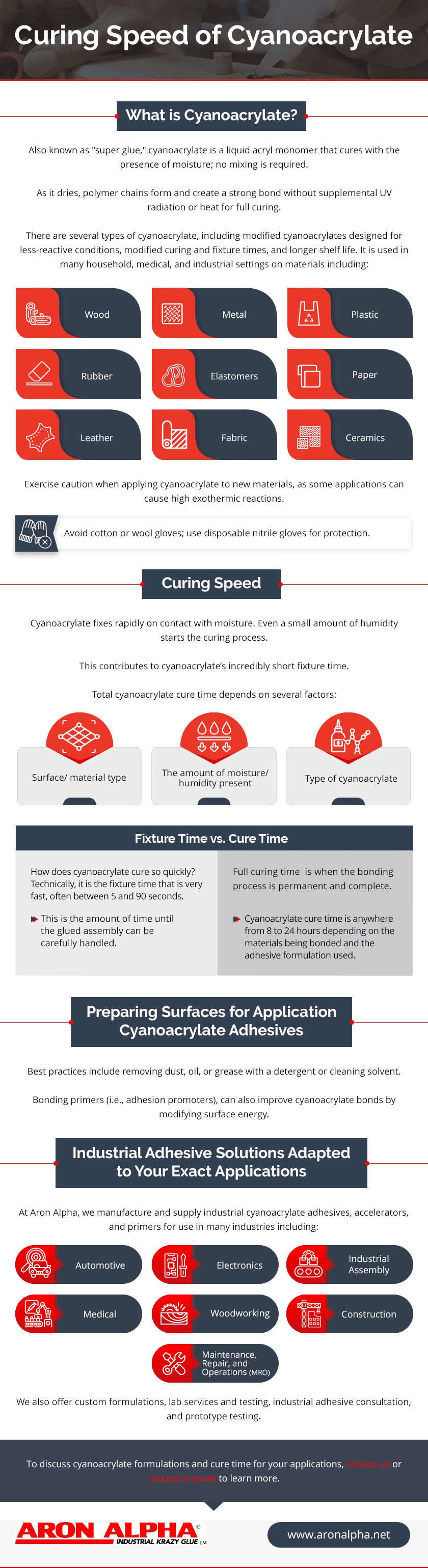
Cyanoacrylate adhesive is a liquid acryl monomer that cures or hardens in the presence of moisture. There is no mixing required, and residual moisture is usually sufficient to initiate curing, though some applications require small amounts of water or liquid activator. As it dries, polymer chains form and create a strong bond without supplemental UV radiation or heat for full curing.
There are several types of cyanoacrylate, including modified cyanoacrylates designed for less-reactive conditions, modified curing and fixture times, and longer shelf life. It is used in many household, medical, and industrial settings on materials including:
Wood
Metal
Plastic
Rubber
Elastomers
Paper
Leather
Fabric
Ceramics
It’s important to exercise caution when applying cyanoacrylate to new materials. Some applications result in high exothermic (heat-releasing) reactions, especially when used in large amounts. For the same reason, cotton or wool gloves are not recommended when handling cyanoacrylate. Disposable nitrile gloves are best for protection against cyanoacrylates getting on worker’s hands.
Curing Speed of Cyanoacrylate
How long does cyanoacrylate take to cure? While most adhesives cure after a heating or evaporation process, cyanoacrylate fixes rapidly on contact with moisture. Even a small amount of humidity starts the curing process.
This contributes to cyanoacrylate’s incredibly short fixture time. Total cyanoacrylate cure time depends on several factors:
Surface/material type
The amount of moisture/humidity present
Type of cyanoacrylate
There are even faster forms of cyanoacrylate than store-bought superglues, such as surface-insensitive varieties. Toughened types and hybrid cyanoacrylate/epoxies have slower cure times.
Fixture Time vs. Cure Time
How does cyanoacrylate cure so quickly? Technically, it is the fixture time that is very fast, often between 5 and 90 seconds. This is the amount of time until the glued assembly can be carefully handled. Full curing time, however, is when the bonding process is permanent and complete. Cyanoacrylate cure time is anywhere from 8 to 24 hours depending on the materials being bonded and the adhesive formulation used.
The Super Glue brand once demonstrated cyanoacrylate’s immense tensile strength by lifting a car shortly after application. Even more impressive, though, is the fact that this was only its fixture strength and the full cyanoacrylate cure time results in even stronger bonds.
Super glues are known for their high tensile strength, even at fixture time. Some famous examples have been illustrated in advertisements over the years, including vehicles and even people.
Preparing Surfaces for Application Cyanoacrylate Adhesives
How can bonding strength be maximized? Clean surfaces always bond best. Best practices include removing dust, oil, or grease with a detergent or cleaning solvent. Bonding primers (i.e., adhesion promoters), can also improve cyanoacrylate bonds by modifying surface energy. This promotes greater chemical reactivity between the adhesive and the surface, while also protecting the surface from contamination.
Industrial Adhesive Solutions Adapted to Your Exact Applications
At Aron Alpha, we manufacture and supply industrial cyanoacrylate adhesives, accelerators, and primers for use in many industries including:
Automotive
Electronics
Industrial Assembly
Medical
Woodworking
Construction
Maintenance, Repair, and Operations (MRO)
We also offer custom formulations, lab services and testing, industrial adhesive consultation, and prototype testing.
To discuss cyanoacrylate formulations and cure time for your applications, contact us or request a quote to learn more.
Our Resources
Explore our various resources regarding cyanoacrylate technologies.
We use cookies to ensure that we give you the best experience on our website. If you continue to use this site we will assume that you are happy with it.