Optimize Cyanoacrylate Shelf Life: Considerations for Humidity, Temperature, and More
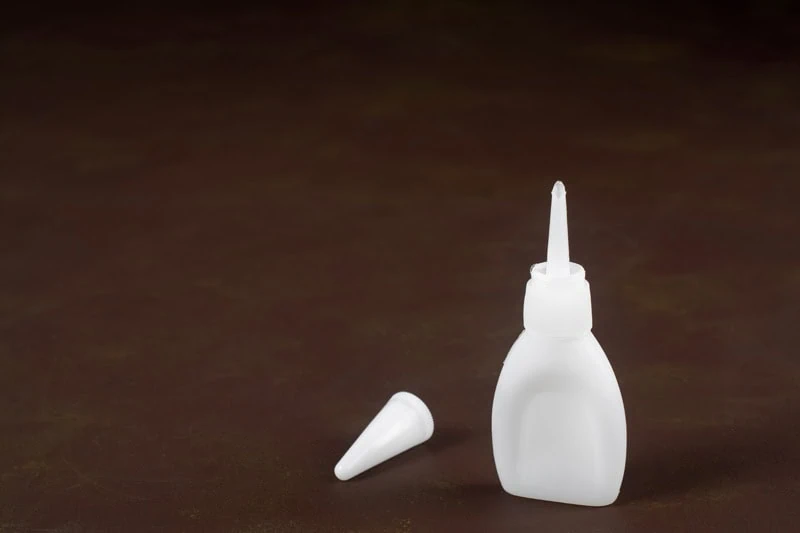
Cyanoacrylates are powerful adhesive formulas, with bonding strength that can hold together everything from hobby assemblies to automotive subassemblies. The right formula will make all the difference, but the environmental conditions in which users store their cyanoacrylate products also impact performance and overall shelf life. Learn the science of cyanoacrylate degradation and storage best practices to optimize your products’ shelf life and bonding performance.
The Science of Cyanoacrylate Degradation: Why Storage Matters
Various environmental factors can cause cyanoacrylate products to degrade in storage. Knowing what causes them to break down-and why-can help your organization create the right cyanoacrylate storage conditions based on your unique environment and daily operations.
Understanding the Polymerization Trigger
Cyanoacrylate adhesives polymerize instantly in the presence of moisture through a fast chain growth called anionic polymerization. Exposure to moisture from ambient air can cause the glue to polymerize prematurely and thicken, making it more difficult to apply thin, uniform layers.
The Impact on Tensile Strength After Bonding
Super glue is also vulnerable to environmental factors after curing. Cyanoacrylates need moisture to cure, but too much can lead to hydrolysis, which results in blooming or product scrap. Heat above 180 °F will make the adhesive depolymerize, weakening the bond. UV light, even without heat, will oxidize the glue and make it yellow and brittle. These factors can lower the bond’s tensile strength over time.
As a result, users should devote resources to properly storing cyanoacrylate products kept on site.
Temperature: The Leading Factor in Cyanoacrylate Shelf Life
Temperature is one of the biggest factors that can impact the lifespan of your cyanoacrylate inventory, even if the bottles have never been opened. Hotter temperatures can significantly compromise adhesive strength.
When stored at temperatures of 104 °F for just six months, a cyanoacrylate can have a tensile strength of just 4,410 psi, compared to 4,980 psi when stored in a refrigerator over the same period of time-a reduction in strength greater than 11%. Within a year of storage at this elevated temperature, the product loses all of its tensile strength.
Shelf Life (Storage Conditions vs. Strength)
| Tensile Strength (psi) | |||||
|---|---|---|---|---|---|
| Temperature | Start | 1 month | 3 months | 6 months | 1 year |
| 41°F | 4980 | 4980 | 4980 | 4980 | 4980 |
| 68°F | 4980 | 4980 | 4980 | 4980 | 3980 |
| 104°F | 4980 | 4980 | 4980 | 4410 | 0 |
Even slightly elevated temperatures can wear down the product. While it retains its tensile strength equally in refrigerated environments (41 °F) and ambient environments (68 °F) for six months, it will start to decline at the latter temperatures. That’s why we advise users to refrigerate unopened cyanoacrylate products in long-term storage.
Managing Cyanoacrylate Humidity and Moisture Contamination
Any moisture can cause premature curing—even traces of moisture in the air or condensation that may collect in containers. Users can prevent degradation by storing unopened containers in refrigerated, dry conditions. Once the containers are opened, the rate of degradation will increase slightly. Users should quickly and tightly close containers between uses and store them in cool and dry storage rooms with desiccants but not in a refrigerator.
Environmental Hazards: Sunlight and Chemical Interference
UV radiation can degrade both open and unopened cyanoacrylates. Ideally, they should be stored in a room without windows and with dim or no lighting. Certain chemicals can also trigger polymerization, so accelerators and catalysts should be stored in a different room than the cyanoacrylates whenever possible.
Implement Proper Cyanoacylate Storage Protocols
Your teams can mitigate product degradation by outfitting your super glue storage areas with the right tools and protocols to control the environment. Implement these best practices to ensure your cyanoacrylate products are always ready for the job:
- Ensure proper ventilation and protection from direct sunlight for stored cyanoacrylates.
- Keep unopened cyanoacrylate glue temperature ranges between 1 °C and 5 °C (34 °F and 40 °F) in refrigerated conditions. Unopened cyanoacrylates should be brought to ambient temperatures before being opened.
- Keep opened cyanoacrylate glue stored in dry, ambient temperature conditions. Do not return opened cyanoacrylates to refrigerators.
- Store cyanoacrylates separately from accelerators, especially if any of the containers have been previously opened.
For specific guidance about storing your Krazy Glue™ formulation, consult the relevant technical data sheets.
Learn More About Proper Cyanoacrylate Storage and Shelf Life From Aron Alpha
Strong, high-performance cyanoacrylates power modern assembly processes across virtually every industry. But to get the most value from your cyanoacrylates, properly store the products and protect them from sunlight, heat, water, and reactive chemicals. At Aron Alpha, we manufacture high-quality industrial cyanoacrylates, primers, accelerators, and applicators for customers in the automotive, electronics, MRO, and other industries. Our specialists can advise you on the best protocols for choosing, using, and storing our adhesive solutions.
Contact us today to learn more about optimizing your cyanoacrylate shelf life, or request more information to start your order.